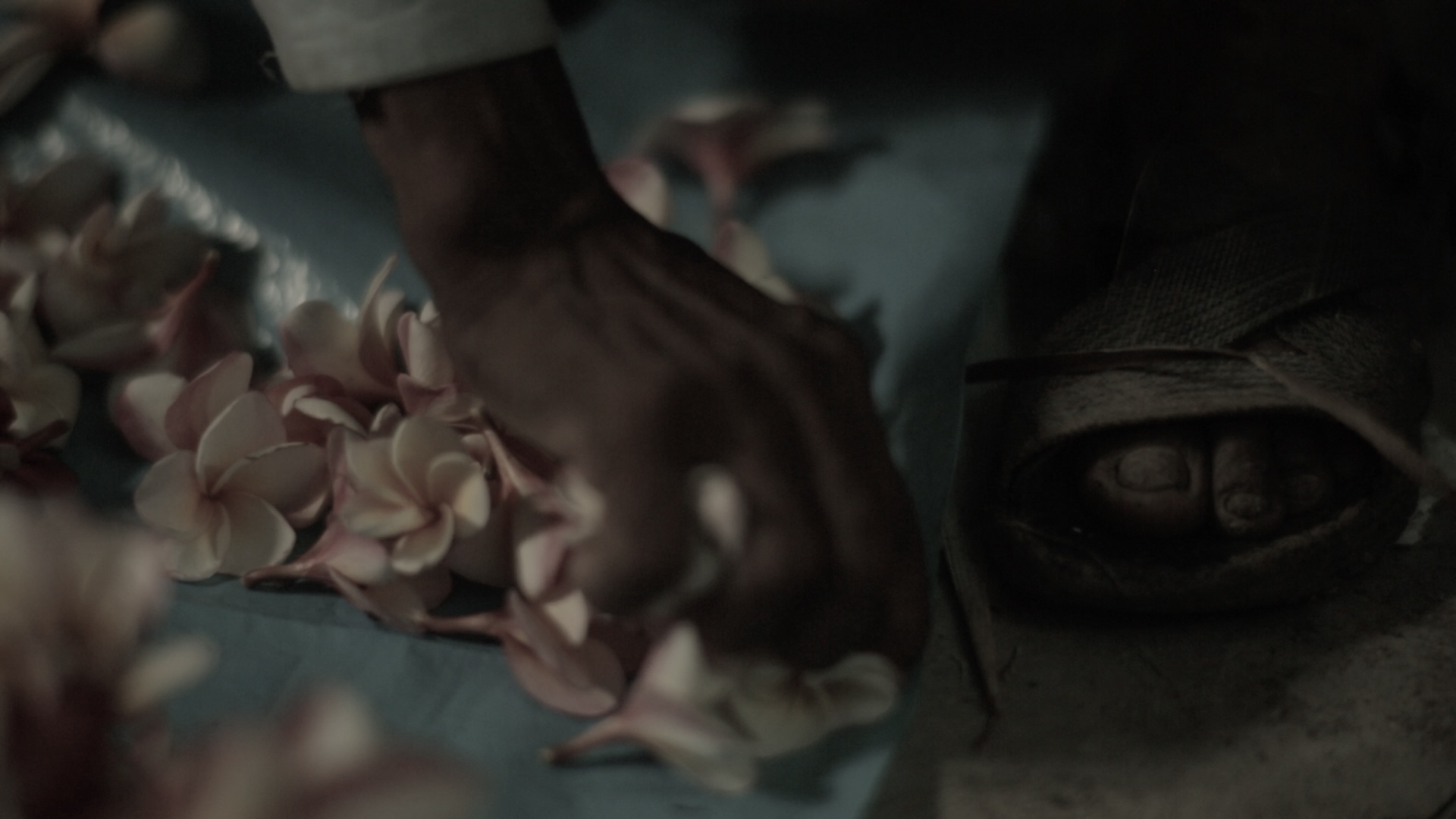
XOLOTLA, WHERE FAITH SMELLS LIKE MAY FLOWERS In Xolotla, the feast of Saint Isidore the Farmer is much more than a religious celebration. It is a time when the community comes together to give thanks to the land, honor their ancestors, and keep alive the customs that have given the town its identity for generations.
MANDALA: SACRED GEOMETRY OF THE EPHEMERAL The Tibetan mandala is not merely a ritual image, but a complex spiritual practice that articulates cosmology, meditation, and ethical teachings. In contrast to the Western artistic tradition, where permanence and individual authorship are typically central values, the mandala proposes a different logic: conscious creation destined for dissolution.
CODICES: PRESERVING ANCESTRAL WISDOM However, Mesoamerican codices stand out for their intensive use of visual narrative. Unlike the European book, dominated by text, Mesoamerican codices present a simultaneous reading of images, calendrical symbols, and spatial sequences. This characteristic links them, to some extent, to the illustrated manuscripts of Southeast Asia or to Japanese emaki scrolls, where the image plays a central narrative role.
A CELEBRATION OF LIFE, MEMORY AND ANCESTRAL ROOTS The Day of the Dead represents one of the most significant examples of the living heritage of Mexico and the world, as well as one of the oldest and most complete cultural expressions of the Indigenous groups that currently inhabit our country.
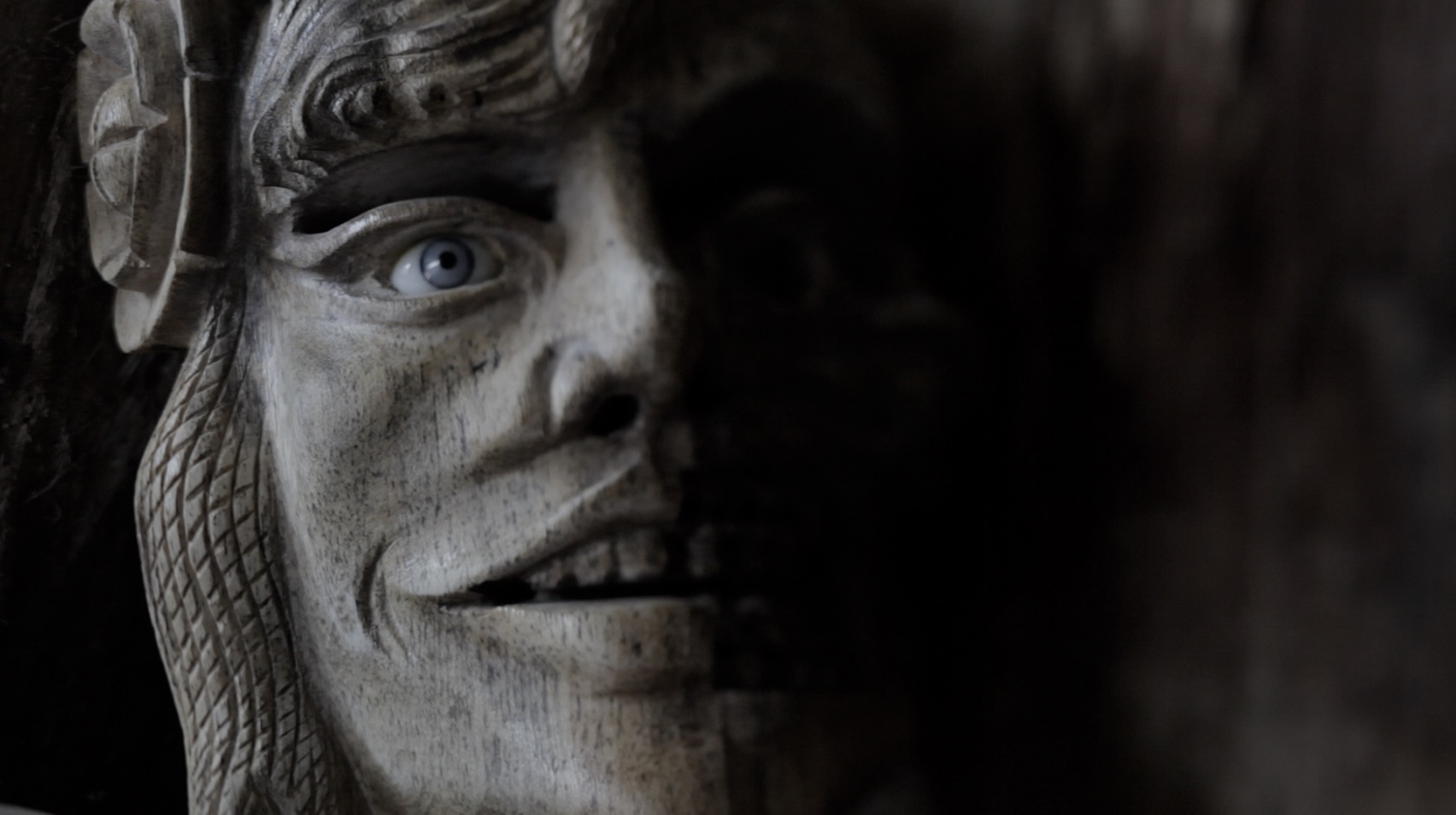
MASK CRAFTSMAN BETWEEN THE SACRED, THE SPIRITUAL AND THE SYMBOLIC The Mexican mask craftman does not limit himself to carving wood: he creates identities, bringing to life real or fantastic characters who participate in rituals, dances, and celebrations.
PULQUE, THE LIVING ROOT OF OUR IDENTITY Pulque, known as the nectar of the gods, is a fermented beverage made from the aguamiel extracted from the maguey plant. Its history dates back to pre-Hispanic times and is deeply linked to the worldview, rituals, and daily life of Mesoamerican peoples.